01
Low completion rates
Digital PROMS and ePRO are often under-completed. Visibility on clinical evolution between visits remains fragmented.
Clinical voice infrastructure
Voice AI that applies your protocols, triggers structured follow-up, and surfaces actionable signals under medical supervision.
HDS
certified hosting in France
No
patient action required
Call in progress · Day 7 post-op follow-up
Marie D. · 68 years old
Orthopedic surgery · Dr. Leroy protocol
Doctinum Agent
Hello Marie, this is your weekly follow-up call. How would you rate your pain today from 0 to 10?
Patient
I would say 6, maybe 7. Nights are the hardest.
Doctinum Agent
Got it. Were you able to resume light activity as planned in your protocol?
7/10
Reported pain
↗
vs Day 3
⚑
Threshold alert
Field insight
Some warning signals remain silent.
That is often where risk starts.
01
Digital PROMS and ePRO are often under-completed. Visibility on clinical evolution between visits remains fragmented.
02
Coordinators, CRAs, and medical teams spend increasing time on manual outreach and documentation.
03
Incoming calls, SMS, emails: information arrives in silos, without consistent traceability or usable structure.
04
Apps and portals structurally exclude fragile, older, or low-connectivity populations, exactly those needing the most vigilance.
40–50% average lost-to-follow-up in longitudinal clinical studies · The channel was the issue.


Our approach
You define the protocol. Voice AI executes follow-up. Each exchange is structured and delivered as an actionable signal for the medical team.
How it works
You define the protocol
Questions, cadence, alert thresholds, and escalation rules are configured by the medical team.
Patient consent captured
Patients explicitly consent to follow-up and voice channel before the first call. Logged and timestamped.
Structured calls triggered
The system calls on schedule, handles no-answers, rescheduling, and third-party contacts.
Structured data delivered
Responses are extracted, normalized, and delivered as clean data, not raw transcripts.
Alerts remain supervised
Alerts follow your thresholds. The medical team remains the sole decision-maker.
What the clinician receives
Summary · Marie D. · Day 7
Field feedback
“What convinced me is that the system calls the patient, not the opposite. For my 70+ post-op patients, this is the only thing that really works.”
Dr. · Orthopedic surgeon · Doctinum pilot
Clinical infrastructure
The difference between a generic voice bot and reliable clinical infrastructure comes from solving engineering problems that most solutions still leave unresolved.
Patient verification before collection, anti-impersonation, in-call consent capture, and native GDPR traceability.
Native GDPRHandles no-answers, voicemails, third parties, refusals, rescheduling, and time windows with full auditability.
Audit trailMaintains clinical logic through conversational deviation. Knowledge base configured by clinicians.
Clinician protocolExtracts clean clinical data, routes threshold alerts, and exports structured HL7 FHIR payloads.
HL7 FHIRClinical memory across calls and trend detection over time to keep a usable trajectory.
Longitudinal follow-upData hosted in France by HDS-certified providers. Documented GDPR compliance. Supervised organizational and collection tool.
Use cases
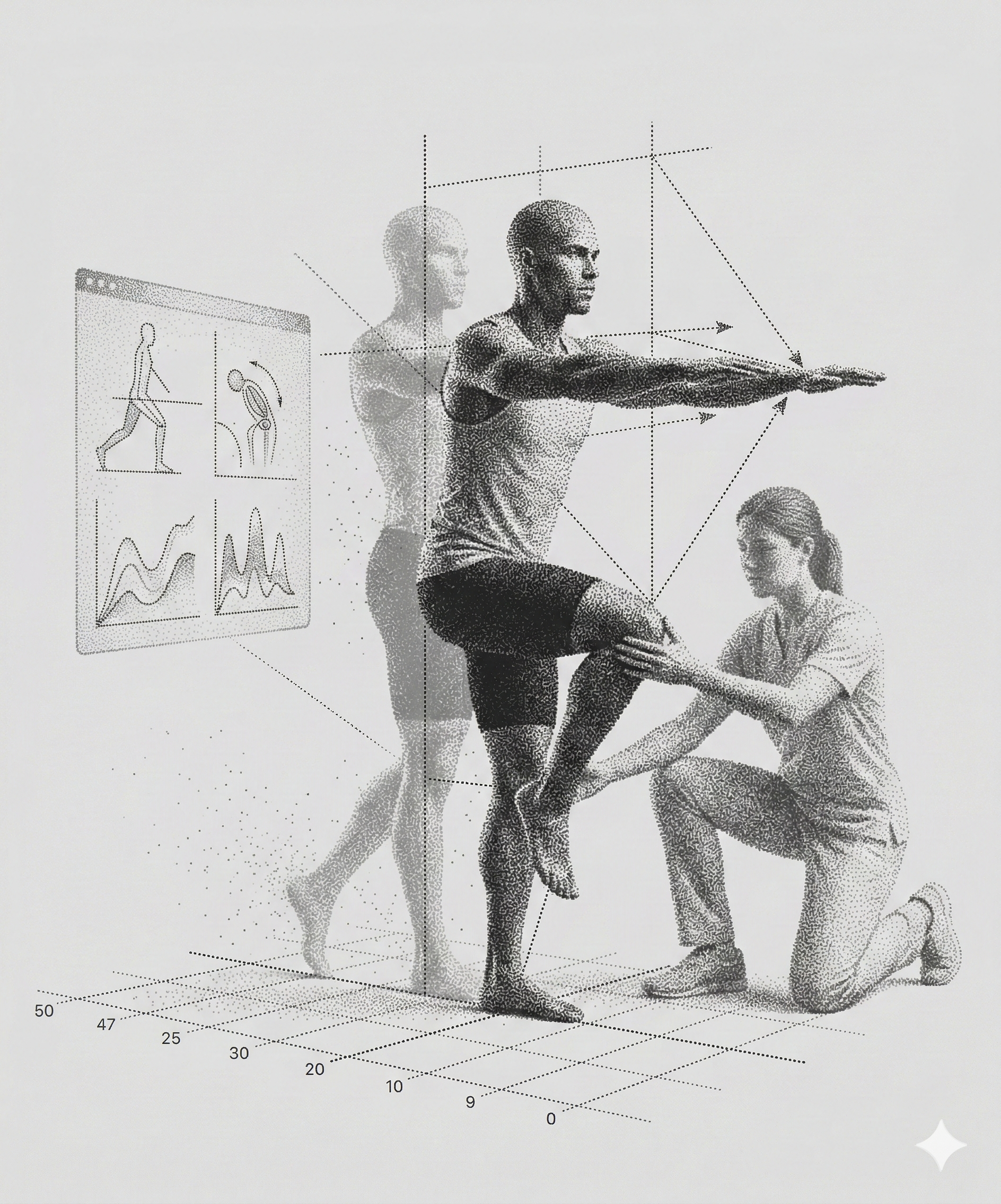
Surgery · Aesthetic medicine · Sports medicine
Between consultation and procedure, then through following weeks, voice follow-up structures what patients report without requiring teams to manually chase every check-in.
Sample exchange · Day 5 post-arthroplasty
Doctinum
Hello, this is your daily follow-up. How would you rate your pain out of 10?
Patient
Around 6. Nights are harder.
Doctinum
Were you able to complete your physical therapy exercises today?
Patient
No, the pain was too strong this morning.
Interactive simulation
Select a clinical context and trigger a realistic call simulation by a Doctinum agent. In 3 minutes, hear exactly what the patient hears and what your team receives.
Non-clinical simulation for demonstration only. Real protocols are defined and validated by medical teams.
Doctinum Agent
Simulation · Choose context
Security & regulatory framework

One call to calibrate your use case, protocol, and pilot conditions according to your clinical context.